Gaming Mice
Some links are Amazon affiliate links: we earn a commission if you buy, at no extra cost to you, and it never changes what we recommend. How we make money
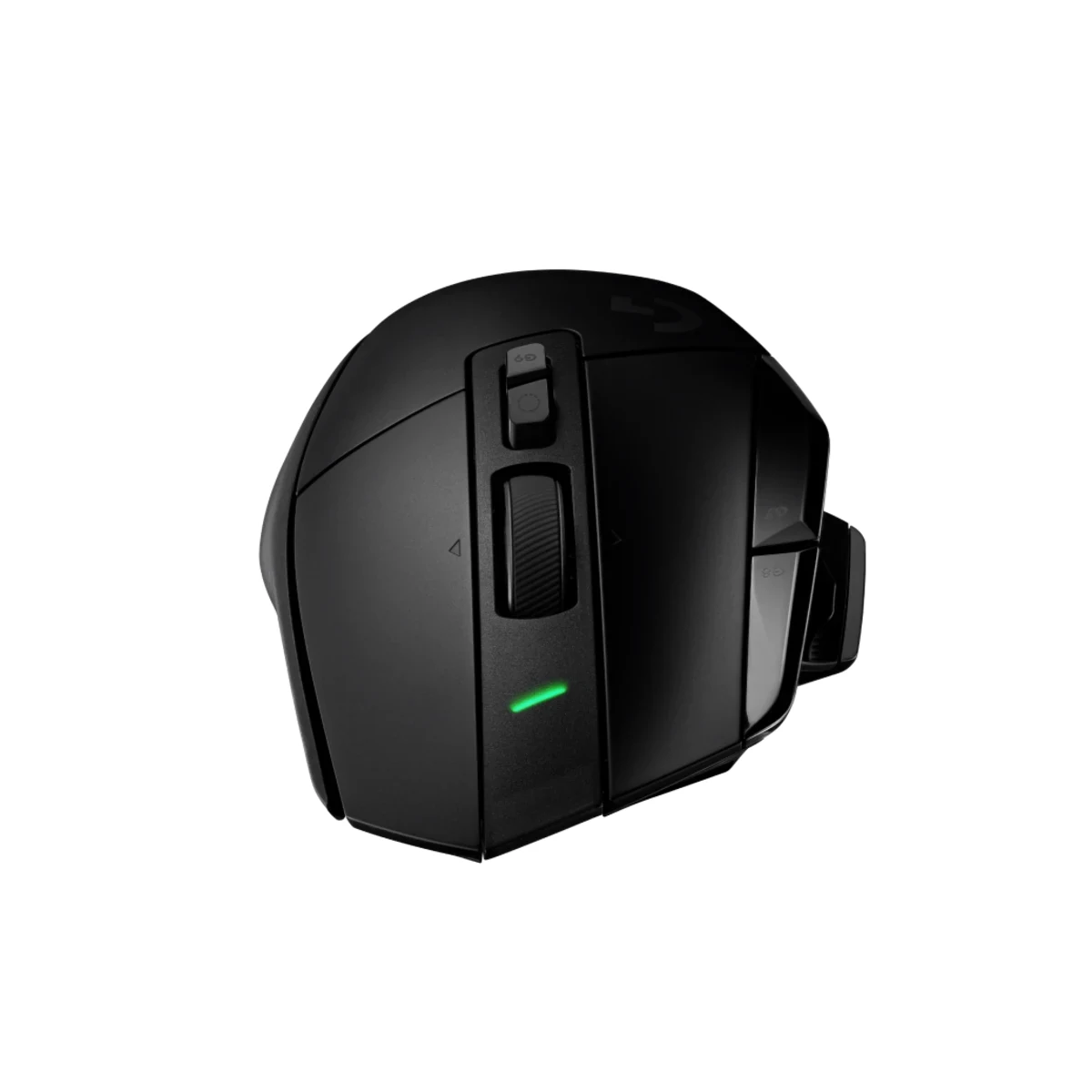
What to look at before you buy
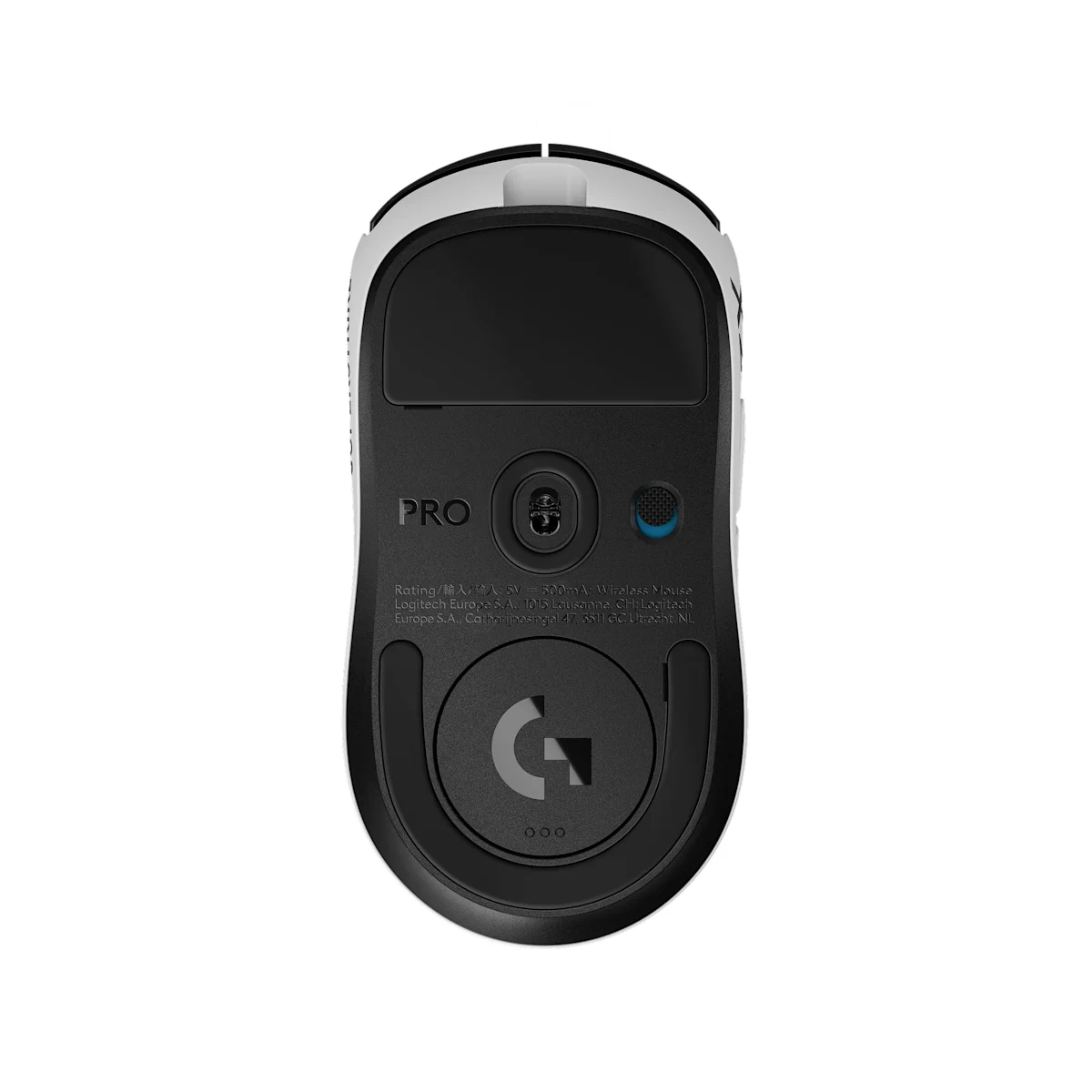
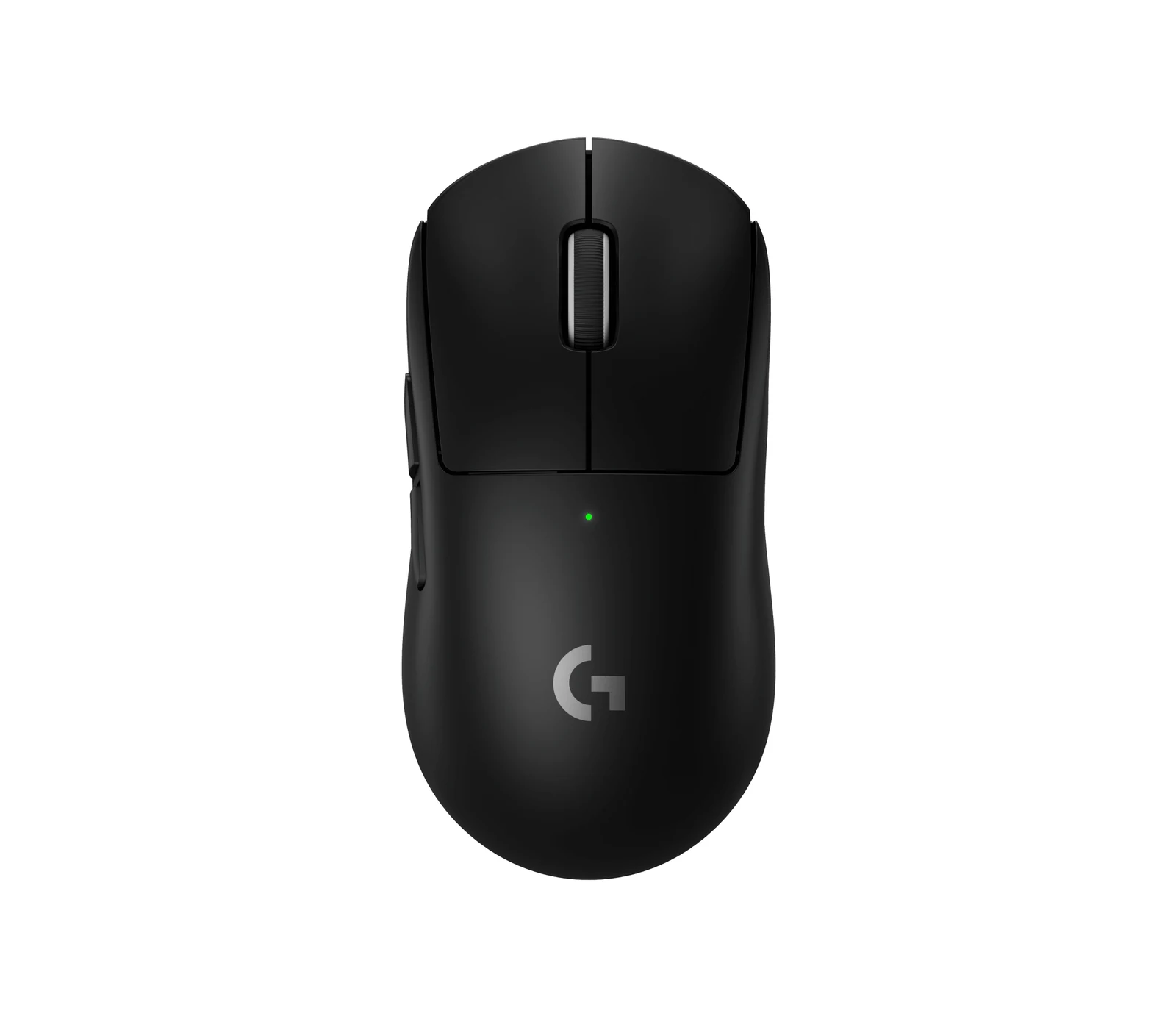
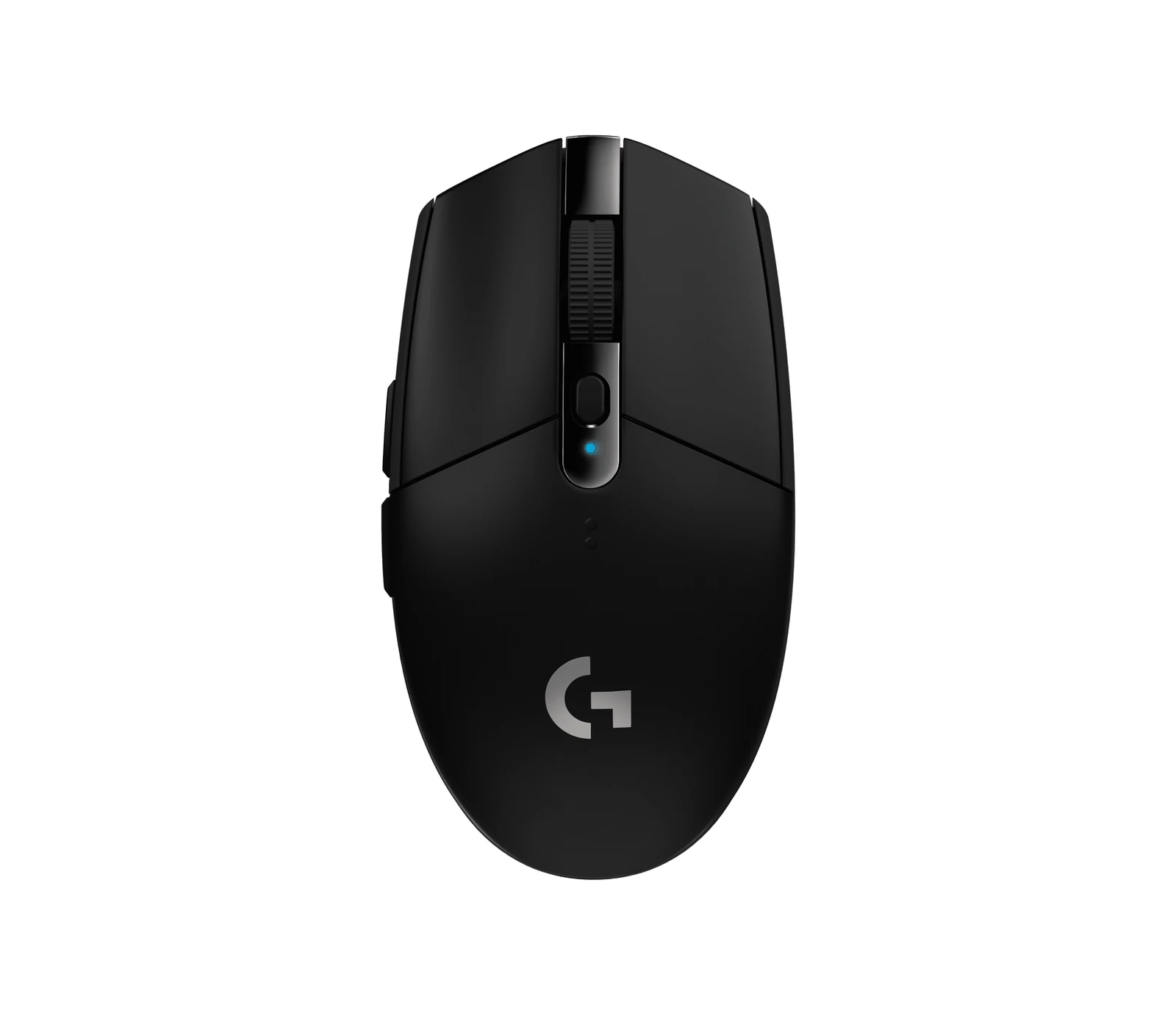
Shape and weight decide more than the numbers on the box. A symmetrical mouse is the same on both sides, while an ergonomic right-handed shape fills the palm and usually carries extra buttons. On the mice we list, weight runs from about 50 g to just over 100 g: the light ones are easier to flick when you aim, and the heavier ones tend to be the models with more buttons.
On the sensor, the maximum DPI is the least useful figure. What you feel in a game is your DPI combined with the in-game sensitivity, and a higher maximum does not make tracking more accurate on its own. The polling rate says more: at 1,000 Hz the mouse reports its position every millisecond, at 8,000 Hz eight times as often, which also takes more from the processor and the battery.
For wireless models, look at two things on the spec sheet: whether it connects through the brand's own 2.4 GHz receiver, which is the link made for gaming, and the battery life the maker lists, which goes from about 90 to 250 hours on the mice we compare.
Guides for this category
- Prime Big Deal Days 2026 Gaming Gear: Buy or Skip
- Which Gaming Mouse to Buy for Your Favorite Game (2026 Guide)
- Best Gaming Mice 2026: Top Picks and Brands
Frequently asked questions
What DPI should I use for gaming?
There is no single right number: choose a DPI and an in-game sensitivity that let you turn and aim comfortably, and then keep them. Your aim depends on the two together, often described as how many centimeters of mouse movement make a full turn in the game. If you change the DPI later, adjust the in-game sensitivity so that distance stays the same.
Is a wireless mouse good enough for gaming?
Yes, as long as it uses the brand's 2.4 GHz receiver. Logitech's LIGHTSPEED and Razer's HyperSpeed receivers are built for gaming, and both brands market them for competitive play. Bluetooth is a different link, meant for convenience rather than gaming. The trade-off is keeping it charged, or changing an AA battery on some budget models.
Does mouse polling rate matter for gaming?
Only a little, and mostly for competitive players on high refresh rate monitors. Polling rate is how often the mouse reports its position: 1,000 Hz is once every millisecond and 8,000 Hz once every eighth of a millisecond. Shape, weight and the sensor's tracking matter more, and the highest rates use more processor time and battery.