Ethernet Cables and Powerline Adapters
Some links are Amazon affiliate links: we earn a commission if you buy, at no extra cost to you, and it never changes what we recommend. How we make money
Ethernet cables, powerline kits and network adapters to get a wired, stable and low-latency connection to your gaming PC or console.
What to look at before you buy
A cable is the steadiest way to connect a gaming PC or console, so the first question is whether you can run one from the router to where you play. A standard Ethernet cable, Cat 6 or higher, already covers home internet speeds; the Cat 8 cable we list is rated far above what a home connection delivers, and its double shielding helps when it runs next to power cables.
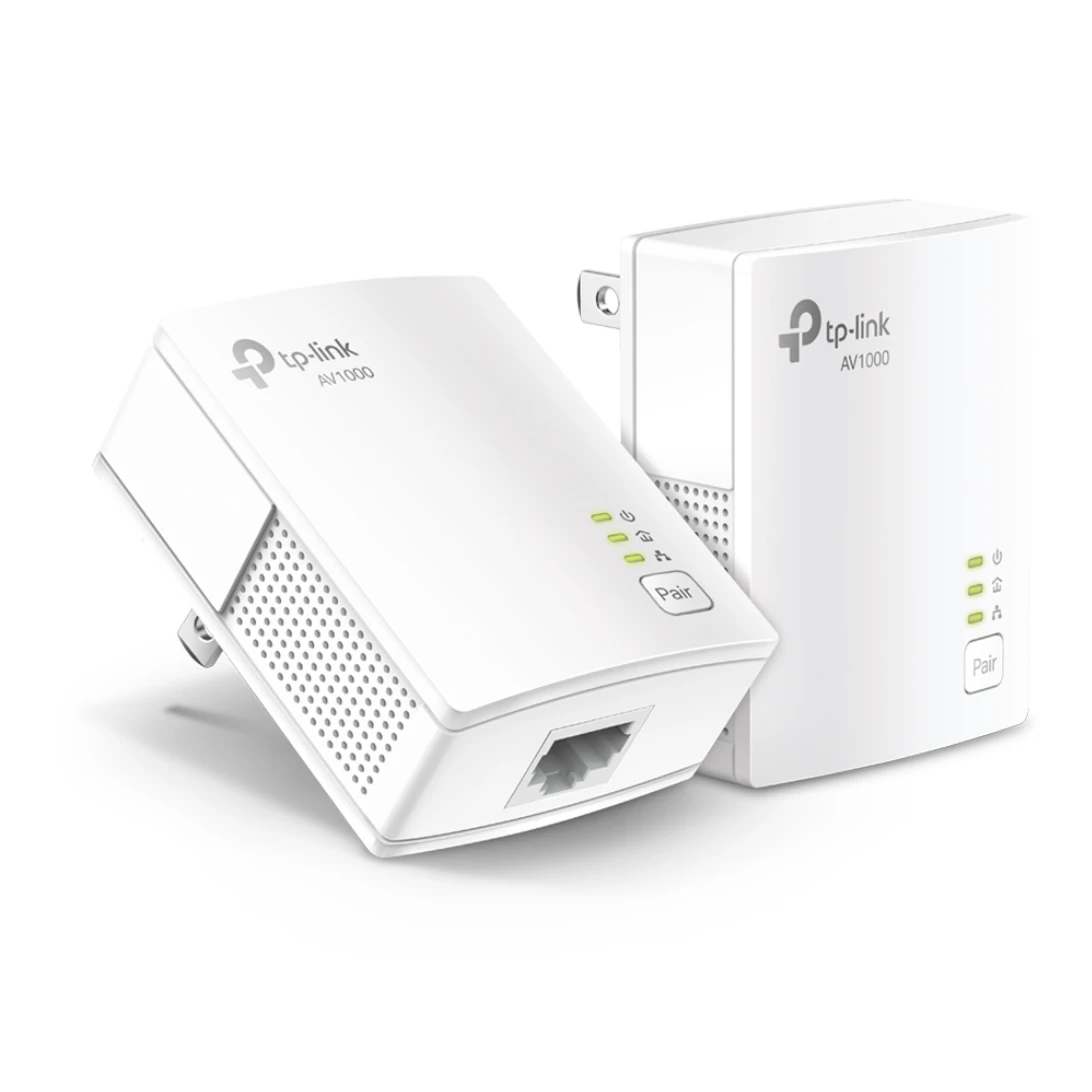
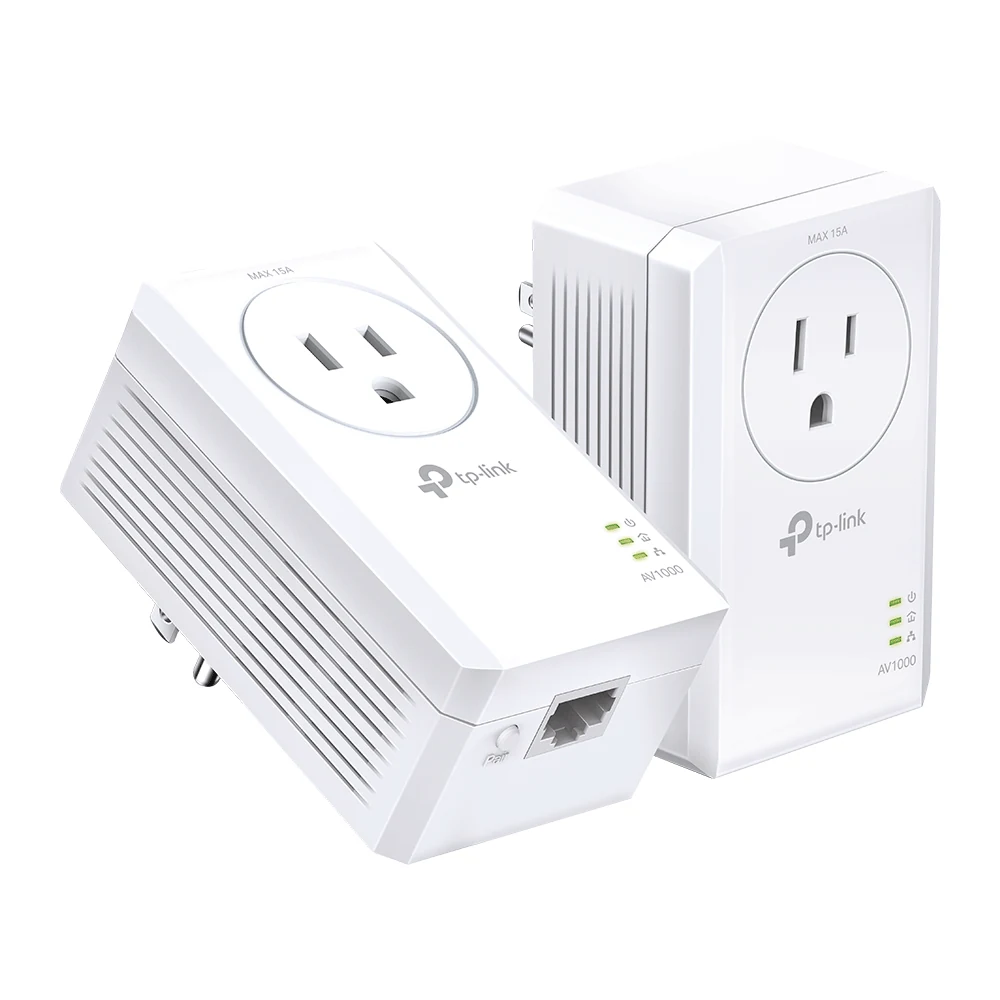
When a cable cannot reach, powerline adapters carry the network through the home's electrical wiring: one adapter goes next to the router, another next to the PC or console, each with an Ethernet port. Their speed depends on the wiring, so the 1,000 Mbps on the box is a ceiling rather than what you will see, and they work best plugged straight into a wall outlet instead of a power strip. A model with a passthrough outlet keeps that socket free for another device.
Last, measure the distance and get a cable a little longer than you need, and check that both the router and your device have a free Ethernet port.
Guides for this category
Frequently asked questions
Is Ethernet better than Wi-Fi for gaming?
Yes, for stability. A cable avoids the interference and signal drops that cause lag spikes on Wi-Fi, which matters more in online games than raw speed. If running a cable is not possible, a powerline adapter or a mesh unit near your setup is the next option to try.
Do I need a Cat 8 cable for gaming?
No. Cat 6 or Cat 6a already handles the speeds a home internet plan delivers, and Cat 8 is rated for data center speeds that no home connection reaches. A Cat 8 cable still works fine and its shielding helps near power cables, so just avoid paying much more for the category alone.
Do powerline adapters work for gaming?
They can, depending on your home's wiring. They often give a steadier connection than weak Wi-Fi far from the router, but their real speed varies with the wiring and with other devices on the circuit. Plug them straight into wall outlets, ideally on the same electrical circuit, rather than into power strips.