Gaming Setup Lighting
Some links are Amazon affiliate links: we earn a commission if you buy, at no extra cost to you, and it never changes what we recommend. How we make money
LED lighting for gaming setups and streaming
What to look at before you buy
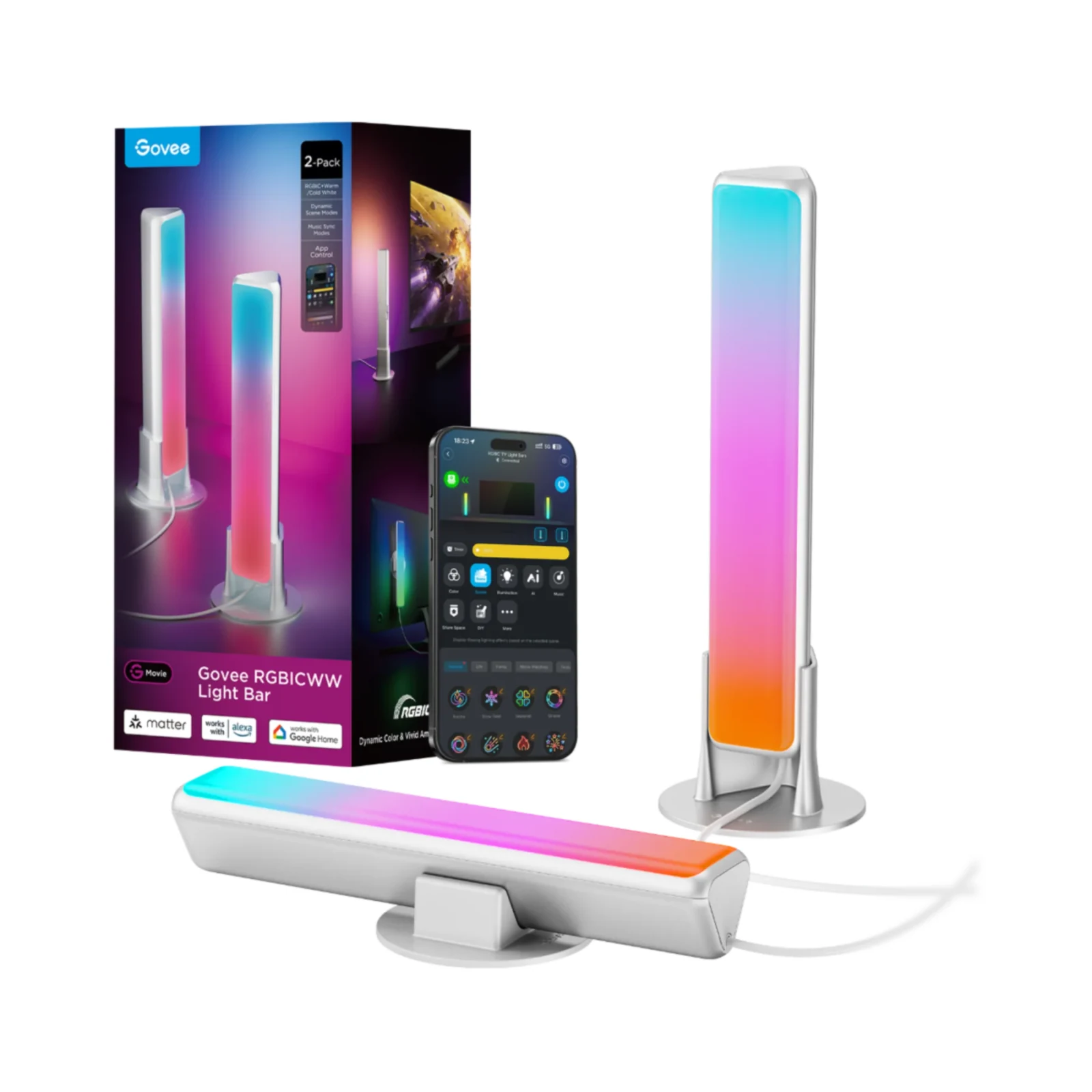
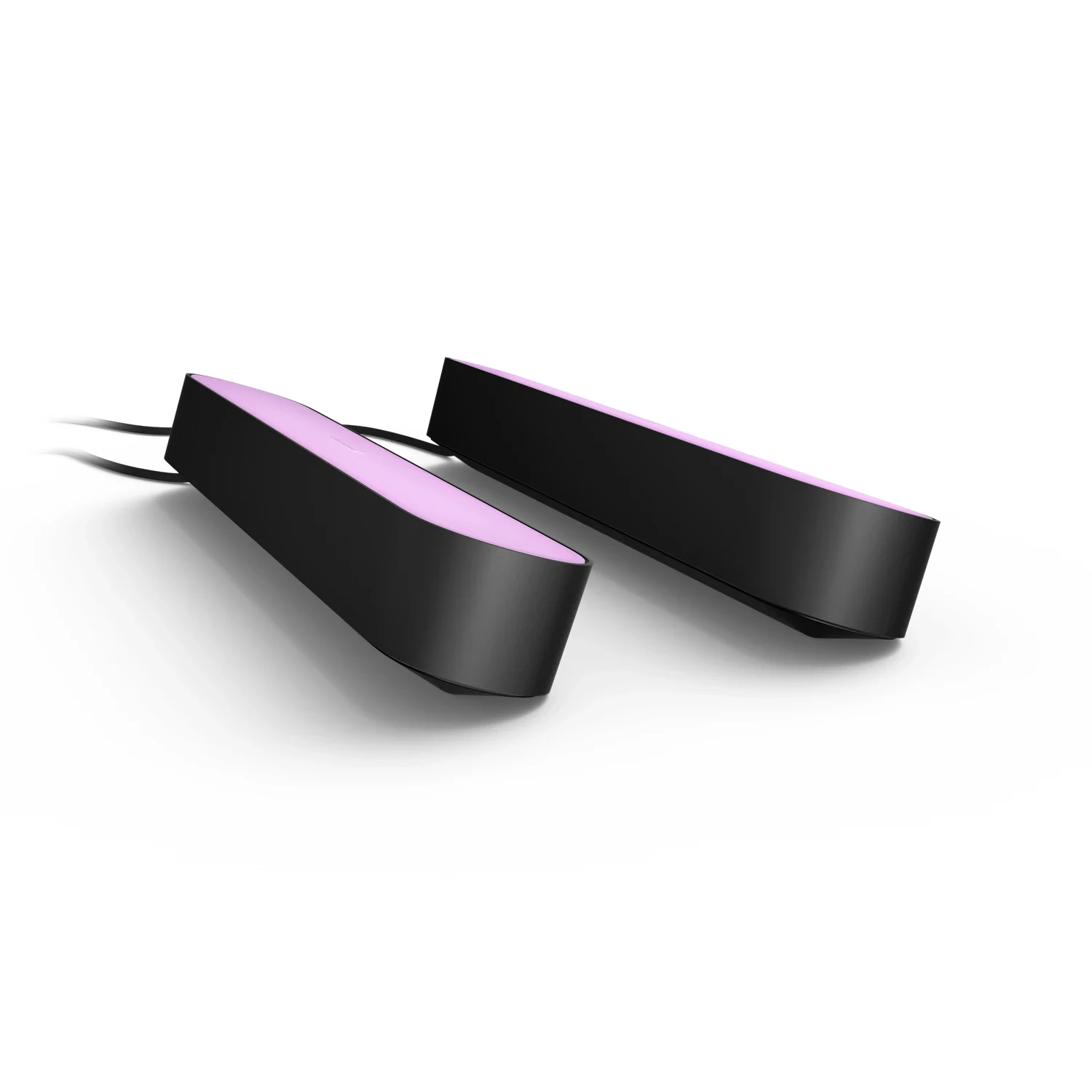
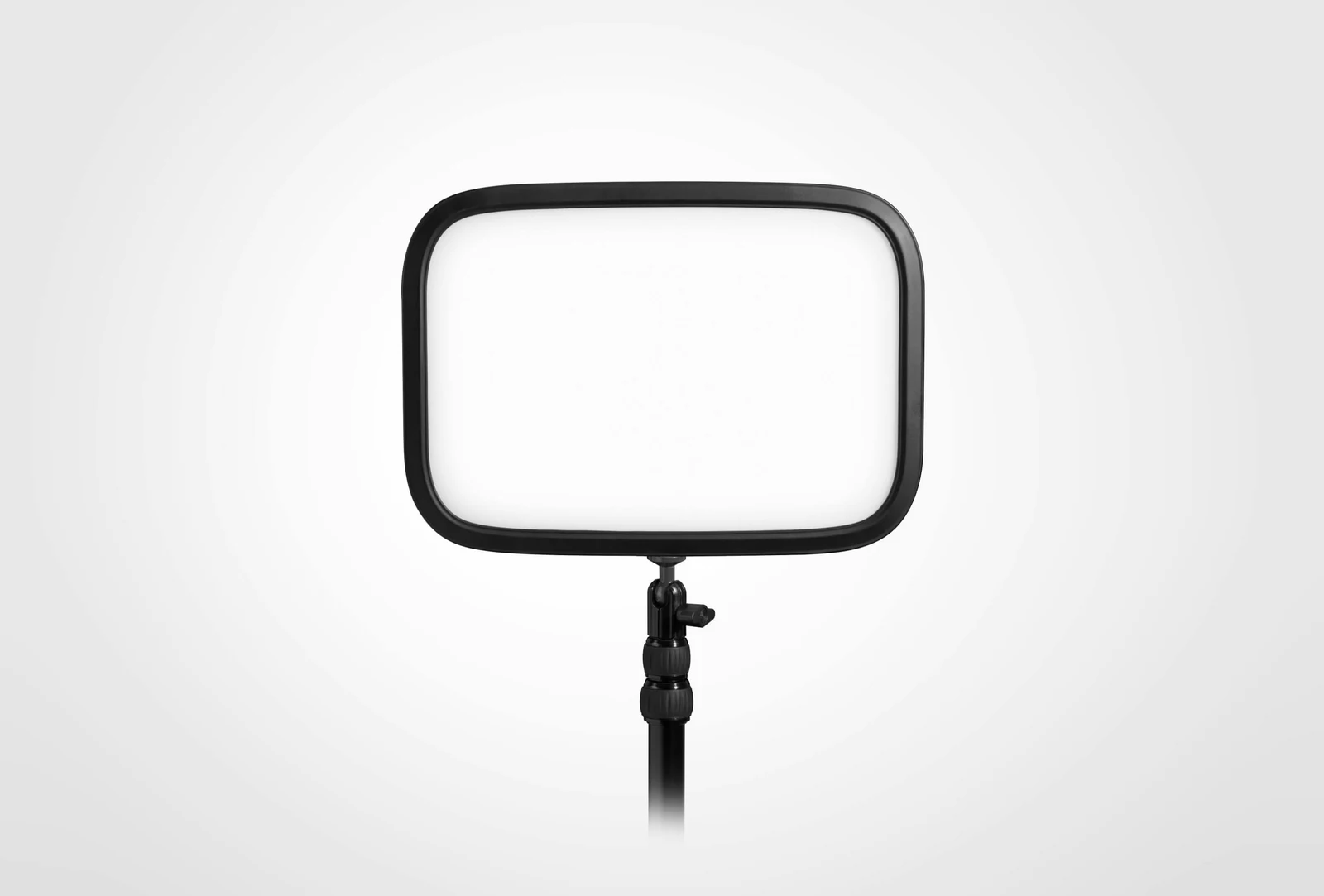
Decide what the light is for, because lights on a gaming desk do two different jobs. RGB bars and backlight strips set the mood: they light the wall behind the screen, and some react to music or to what the screen shows. A key light does the opposite job: it lights your face for the camera, and it is rated in lumens and color temperature (2,800 lumens and 2,900 to 7,000 K on the panel we list).
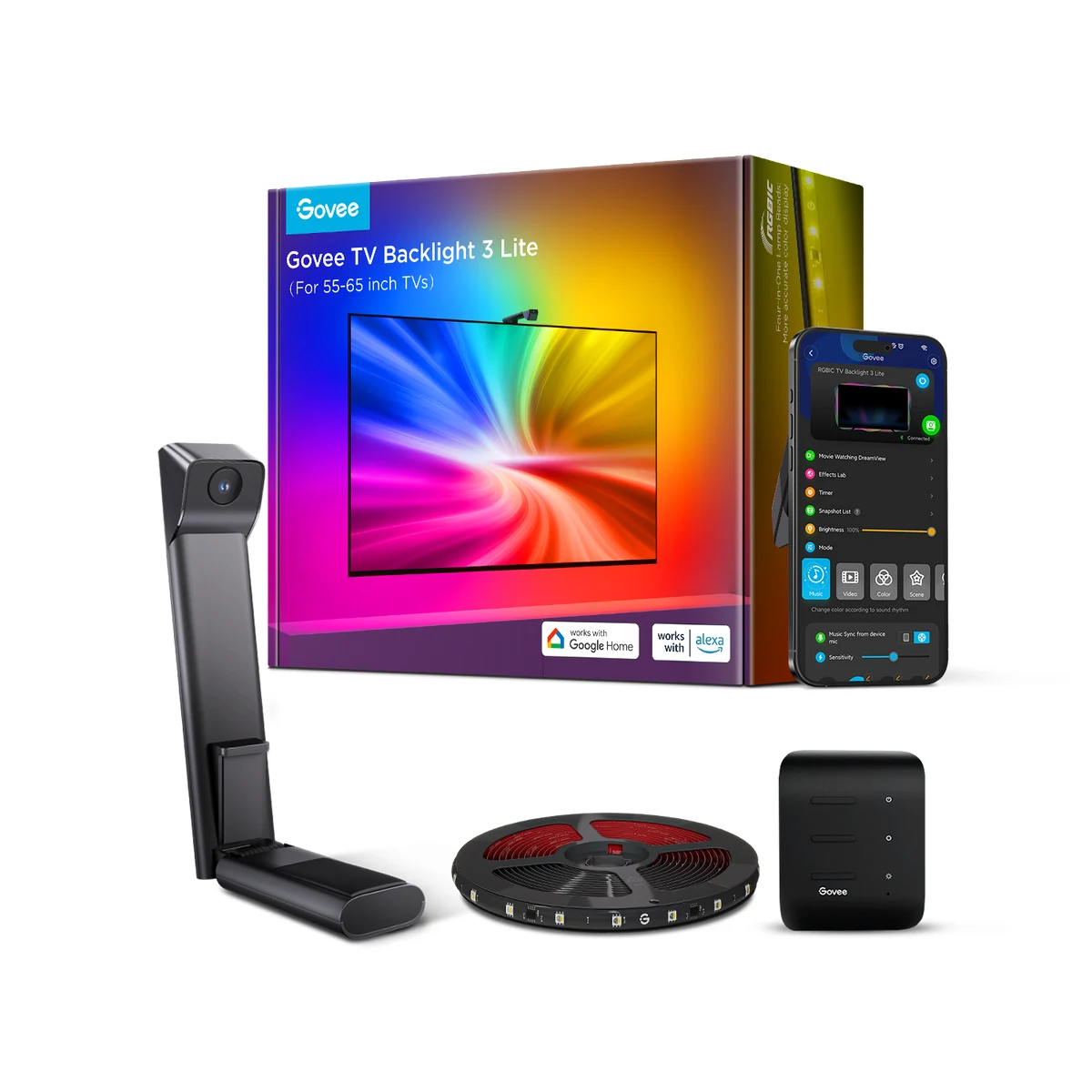
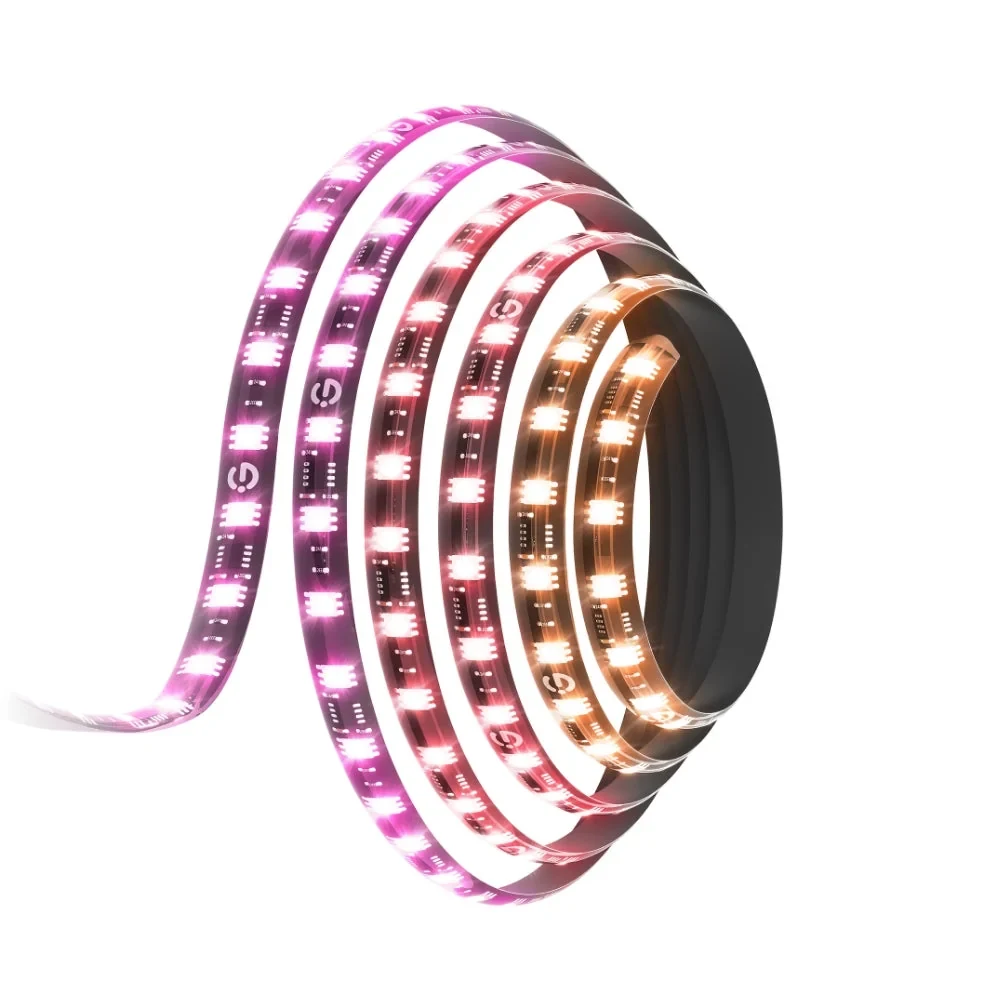
For ambient light, check the size each kit is made for, since a backlight sized for 27 to 34 inch monitors will not suit a TV; whether it syncs with the screen through a camera or a desktop app; and which ecosystem runs it: the brand's app, Alexa, Google, Apple HomeKit or Matter. Some systems also need a separate hub, such as the Hue Bridge, for their full feature set.
Finally, plan power and placement. Most kits run from their own adapter, so you need a free outlet near the desk, and bars or strips mounted behind the monitor keep the cables out of sight.
Guides for this category
Frequently asked questions
What is the difference between RGB and RGBIC lights?
An RGB strip shows one color at a time along its whole length, while RGBIC adds independent control chips so different sections can show different colors at once. That is what makes gradients and moving effects possible. Extra letters such as W or WW mean the strip also has dedicated white LEDs, which give a cleaner white than mixing red, green and blue.
Do I need a key light for streaming?
If your room is dark or lit from behind, it is often the bigger upgrade for how you look on camera. A key light is a large panel aimed at your face with adjustable brightness and color temperature, so the webcam does not have to push its sensor in low light. If you sit facing a window during the day, you may not need one.
Can gaming lights sync with what is on my screen?
Yes, in two ways. Some kits use a small camera that reads the colors on a TV and copies them to the strip; others use a desktop app that reads the PC screen directly. Camera sync works with consoles as well, because it does not depend on a computer, while app sync only works on the PC the app runs on.