PC Speakers for Gaming
Some links are Amazon affiliate links: we earn a commission if you buy, at no extra cost to you, and it never changes what we recommend. How we make money
Desktop and bookshelf speakers for gaming, music and streaming, from USB-powered 2.0 pairs to 2.1 systems with a subwoofer.
What to look at before you buy
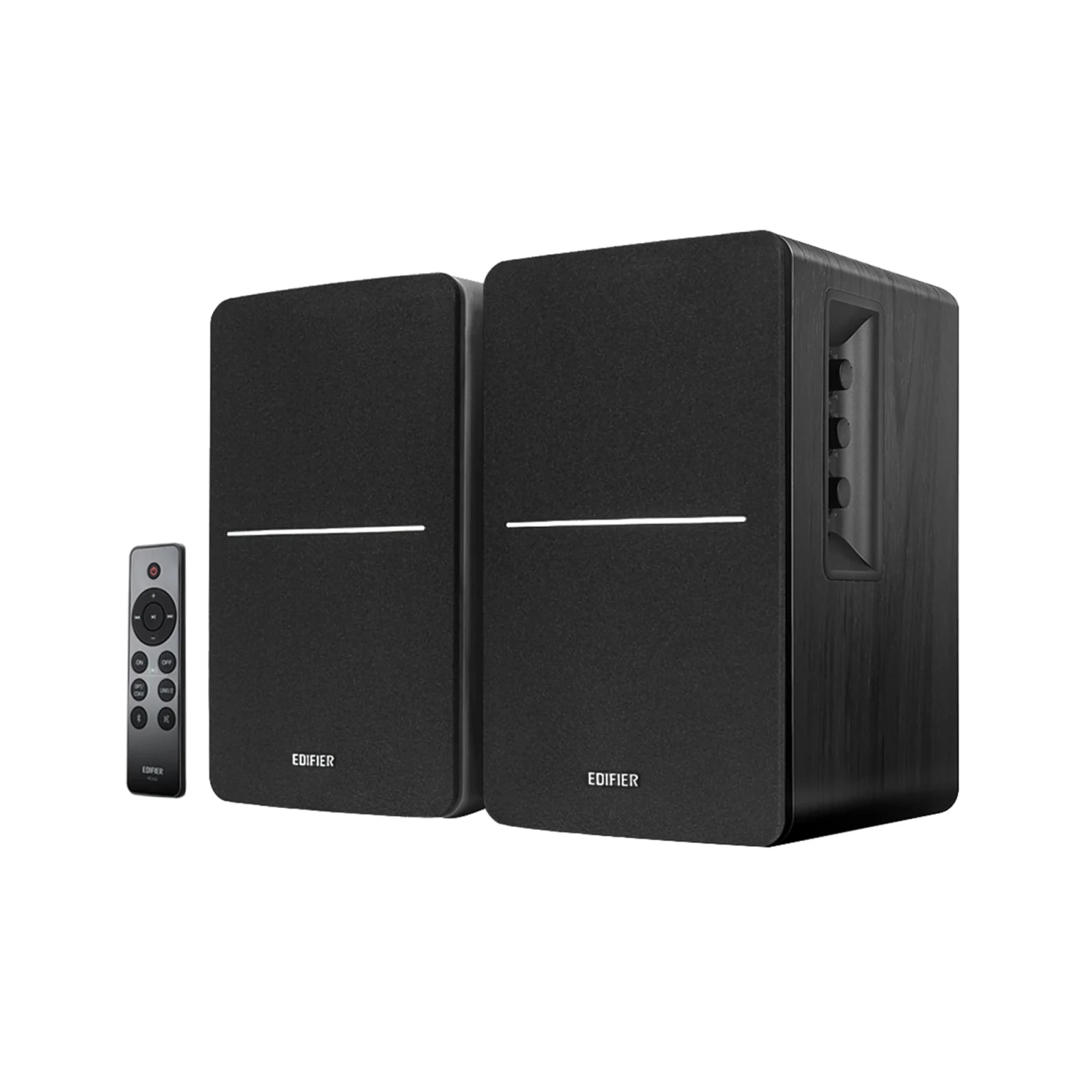
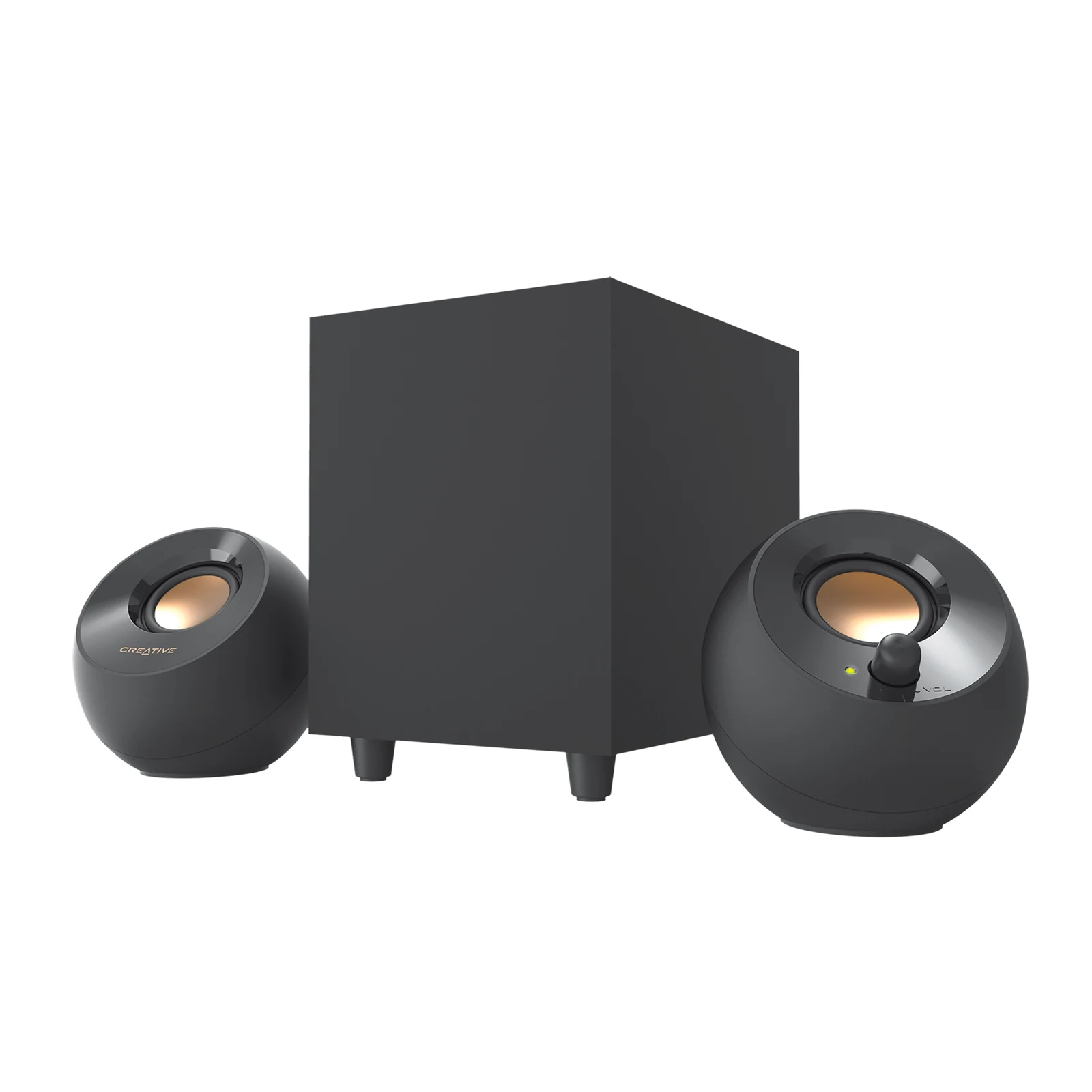
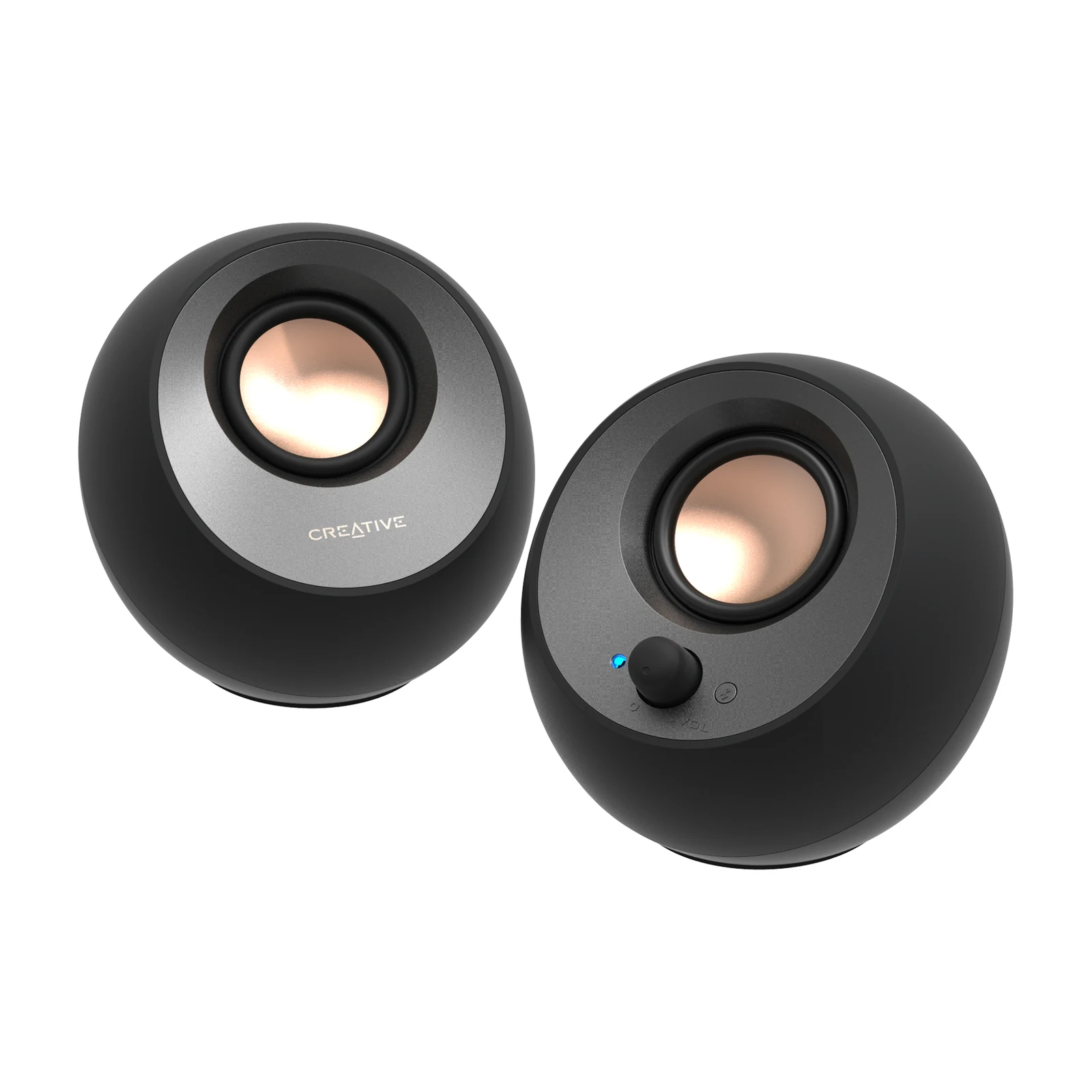
Think about the room and the hours you play. Speakers make sense when the room is yours; at night or in a shared space everyone hears them, and a headset is the better answer before any spec comes into it. The speakers we list go from 8 W to 42 W, and that figure tells you more about how loud and full they can get than about quality.
Then pick the configuration. A 2.0 pair keeps things simple; a 2.1 set adds a subwoofer for the low notes, and some 2.0 models have a subwoofer output so you can add one later. Bigger drivers, from about 51 mm on small desktop units to 102 mm on bookshelf speakers with a separate tweeter, also need more room on the desk.
Finally, match the inputs to your devices. USB-powered speakers run from the PC itself, Bluetooth lets a phone play through them, and an optical or coaxial input is the clean way to connect a TV. Check that the cable you need is on the list before you buy.
Guides for this category
Frequently asked questions
Are speakers or a headset better for gaming?
A headset if you play competitive games, share the room or play at night, because it keeps the sound private and helps you place footsteps. Speakers if the room is yours and you want relaxed sessions without anything on your head. Many players keep both: a headset for matches and speakers for everything else.
Do I need a subwoofer with gaming speakers?
Not for a small desk. A subwoofer adds the low notes that small drivers cannot reproduce, which you hear in explosions and music, but it takes floor space and carries through walls. A 2.0 pair with a subwoofer output lets you decide later, once you know whether you miss the bass.
Can I connect desktop speakers to a PS5 or a TV?
Yes, if they have the right input. Speakers with an optical input connect to a TV and play whatever the TV receives, console included. Models with only USB and a 3.5 mm jack can take sound from the controller's headphone jack or from a TV's headphone output. Bluetooth works with phones and some TVs, but it adds delay.